
February Gifts for People Who Love Language Learning
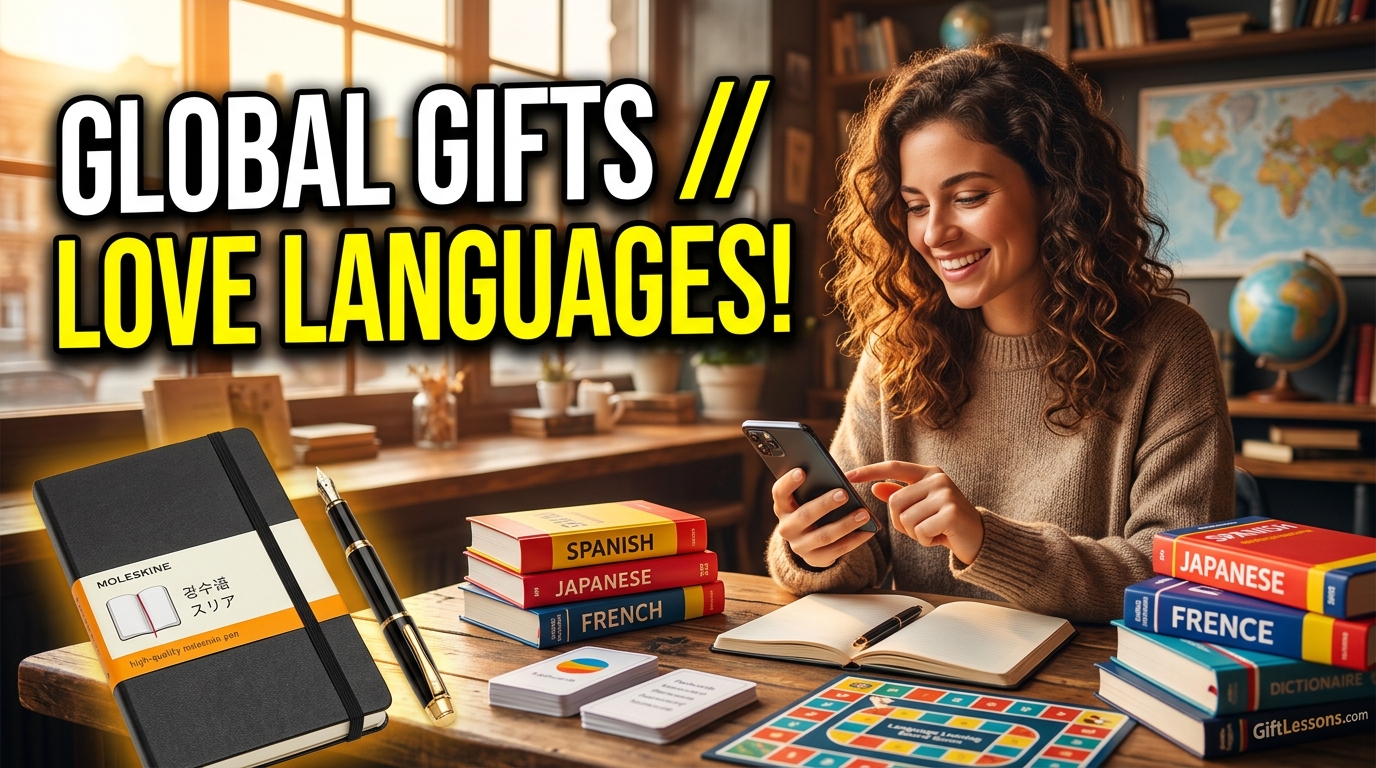
Looking for the best February gifts for people who love language learning? This is one of those gift categories that can be thoughtful, personal, and genuinely useful at the same time. A great language-learning gift is not just “nice to have.” It can help someone stay motivated through winter, prepare for travel, enjoy a favorite culture, or finally stick with a study routine they have been putting off.
February is also a special month for gifting. It sits between the holiday rush and spring travel plans, and it includes Valentine’s Day, birthdays, anniversaries, and small just-because surprises. That makes it a perfect time to choose language gifts that feel warm, encouraging, and practical rather than random.
In this guide, you’ll find useful February gift ideas for language lovers across different budgets and situations. We’ll cover gifts for beginners, serious learners, travelers, kids, and bilingual households, plus what to avoid if you want your present to be truly appreciated.
What makes a good February gift for a language learner?
The best gifts for language learners usually do one of three things: they make study easier, make practice more fun, or connect the learner to real culture. February can be a hard month for motivation, so gifts that create routine and comfort often work especially well.
- Useful: something they will actually use weekly, not just unwrap once
- Matched to level: beginner gifts differ from what advanced learners need
- Personal: tied to their target language, travel dreams, or favorite country
- Low-pressure: supportive, not a gift that feels like homework
- Easy to start: ideally usable the same day they receive it
If you are unsure what to buy, choose something flexible. Subscription gifts, quality notebooks, graded readers, conversation sessions, and cultural experience gifts are safer than very technical tools.
Best February gifts for people who love language learning
Below are the most practical and giftable options, from affordable stocking-size surprises to bigger presents for birthdays or anniversaries.
1. Language app subscription
A subscription to a language app is one of the easiest gifts to give and one of the most commonly appreciated. It suits beginners especially well, and many learners enjoy using an app for daily streaks, vocabulary review, and listening practice.
Best for: beginners, casual learners, busy adults, teens
Typical price: around low to mid monthly or annual subscription ranges, depending on platform and promotions
Pros: instant delivery, easy to personalize, practical for daily use
Cons: may overlap with apps they already use
2. Graded readers or dual-language books
Books designed for learners are often better than standard novels. Graded readers use simpler grammar and controlled vocabulary, while dual-language books let the reader compare both languages side by side. In February, this also makes a cozy gift for someone who enjoys quiet indoor study.
Best for: readers, intermediate learners, self-study fans
Pros: builds confidence, supports real reading, feels more personal than a generic gift
Cons: must match language level carefully
3. Conversation lesson gift card
If the person already studies regularly, live speaking practice can be far more valuable than another notebook or phrasebook. A gift card for online tutoring or local conversation classes helps learners move from passive study to real communication.
Best for: intermediate and advanced learners, people preparing for travel or exams
Pros: high impact, memorable, personalized
Cons: some learners feel shy, so this works best if they already want speaking practice
4. Headphones or a compact Bluetooth speaker
Listening matters in every language. Good headphones improve podcasts, audiobooks, pronunciation practice, and online classes. A small speaker can also be useful for family learning, kids, or listening while cooking.
Best for: audio learners, commuters, podcast fans
Pros: practical beyond language study, long-lasting
Cons: check whether they already own a good pair
5. Language learning journal or smart notebook
A dedicated study journal helps learners track words, grammar patterns, weekly goals, and speaking wins. If they like handwriting, this can become part of a real routine. If they prefer digital tools, a reusable or app-connected notebook may suit them better.
Best for: organized learners, students, bullet journal fans
Pros: affordable, easy to bundle with pens or tabs
Cons: not ideal for people who avoid paper notes
6. Cultural gift box
One of the most thoughtful February gifts for people who love language learning is a culture-themed box. This can include snacks, tea, coffee, postcards, a small cookbook, music recommendations, and simple items connected to the language they study. It turns learning into an experience rather than just a task.
Best for: romantic gifts, birthdays, long-distance partners, curious learners
Pros: highly personal, memorable, fun to unwrap
Cons: food preferences and shipping restrictions may vary
7. Flashcard system or printable study kit
Some learners still love physical flashcards, especially for vocabulary, verb forms, and spaced repetition. This is a strong low-budget choice that feels more useful when paired with dividers, labels, and a study guide.
Best for: students, exam prep, tactile learners
Pros: budget-friendly, simple, practical
Cons: less attractive to fully digital learners
8. Travel-friendly phrasebook and map set
If their language learning is connected to an upcoming trip, a small travel bundle works well. Think phrasebook, pocket dictionary, transit map print, luggage tag, and travel journal. February is often when people start planning spring and summer travel, so the timing fits naturally.
Quick comparison table: what to buy by budget and type
| Gift type | Best for | Budget range | Main advantage | Watch out for |
|---|---|---|---|---|
| App subscription | Beginners, busy adults | $ | Easy and instantly useful | They may already subscribe |
| Graded reader | Readers, intermediate learners | $-$$ | Builds real reading confidence | Wrong difficulty level |
| Conversation lessons | Serious learners | $$-$$$ | Strong practical impact | Schedule and comfort level |
| Headphones | Audio learners, commuters | $$-$$$ | Useful every day | Preference for style or brand |
| Cultural gift box | Anyone who loves the culture too | $$ | Very personal and fun | Food allergies, shipping limits |
| Journal or flashcard kit | Students, note-takers | $ | Affordable and practical | Not ideal for digital-only learners |
How to choose February gifts for people who love language learning
If you want a gift that feels thoughtful instead of random, use this simple process.
- Identify the language they are currently studying, not just the one they studied years ago.
- Think about their level: beginner, intermediate, advanced, or heritage speaker.
- Notice how they learn: app, books, tutors, travel, films, journaling, classes.
- Choose a gift that supports that habit instead of replacing it.
- Add a personal detail, such as their favorite country, cuisine, author, or travel goal.
For example, a beginner in Japanese may love an app subscription and a cute vocabulary notebook. An advanced Spanish learner may get much more value from conversation sessions or a contemporary novel with notes. A child learning French may prefer games, stickers, and audio stories over anything that looks like schoolwork.
Gift ideas by recipient and occasion
For him
Good options include wireless headphones, a travel phrasebook set, an audiobook subscription, a language podcast bundle, or tutoring sessions focused on business or travel speaking. If he likes gadgets, choose tools that solve a real problem rather than flashy novelty items.
For her
Try a personalized study journal, a culture-themed self-care box, graded readers, elegant flashcards, calligraphy pens for certain writing systems, or a cooking-and-language experience set. If the gift is for Valentine’s Day, pairing language learning with culture and food can feel especially warm and personal.
For kids
For children, fun matters more than intensity. Picture dictionaries, music-based learning kits, bilingual bedtime books, storytelling audio devices, stickers, and language games usually work better than formal textbooks. Keep the gift age-appropriate and easy to use with a parent.
For a partner
If you are gifting a boyfriend, girlfriend, husband, wife, or long-distance partner, consider something shared. A couple’s language challenge, cooking class in the target language, movie night set with subtitles, or travel planning package can turn the gift into time together.
For birthdays, anniversaries, and Valentine’s Day
February occasions often call for gifts with more emotion. Instead of one generic item, create a bundle: book + tea + study journal, or lesson gift card + snacks from the target country + handwritten note. Even a small gift feels more meaningful when the theme is clear.
Practical checklist before you buy
- Check which language they are actively learning right now
- Make sure the item fits their level
- See whether they prefer paper tools or digital tools
- Look for easy returns if choosing books or tech
- For subscriptions, confirm compatibility with their device or region
- For food or beauty items in cultural boxes, check allergies and preferences
- Do not assume the most expensive gift is the most useful
Common mistakes when buying gifts for language learners
Buying a random dictionary. Many learners now use digital dictionaries, so a heavy reference book may not be exciting unless they specifically collect them.
Choosing material that is too advanced. A native-level novel can look impressive but feel discouraging if the learner is not ready.
Picking novelty over usefulness. Language-themed mugs and joke shirts are fun extras, but they rarely make the main gift memorable on their own.
Assuming one method works for everyone. Some people love apps, others hate them. Some enjoy group classes, others prefer one-to-one learning.
Making the gift feel like pressure. The best present encourages learning without sending the message that they need to work harder.
If you need a quick shortlist, these are often the strongest options by spending level.
Budget-friendly gifts: vocabulary notebook, flashcards, printable planner, bilingual children’s book, bookmark set, phrasebook, language-themed snack bundle.
Mid-range gifts: app subscription, graded reader set, quality headphones stand, desk organizer for study materials, cultural gift box, audiobook membership.
Premium gifts: tutoring package, online course, noise-canceling headphones, e-reader for foreign-language books, immersive class experience, travel-related language bundle.
The smartest approach is often to combine one practical tool with one enjoyable item. That mix makes the gift feel useful and personal.
FAQ
What are the best February gifts for people who love language learning?
The best choices are usually app subscriptions, graded readers, conversation lessons, study journals, headphones, and culture-themed gift boxes. The right pick depends on their level and study style.
Is a language app subscription a good gift?
Yes, especially for beginners or busy learners. Just check whether they already use one and whether the subscription works in their region and on their device.
What should I buy for someone learning a language for travel?
A travel phrasebook, audio practice tools, conversation lessons, and a small trip-planning bundle are all practical. Gifts that help with real speaking situations tend to work best.
Are books good gifts for language learners?
Yes, if you choose the right level. Graded readers, dual-language books, and illustrated learning books are usually safer than standard native-level novels.
What gifts should I avoid for a language learner?
Avoid overly advanced materials, random novelty items, and tools that do not match how they actually study. A useful, personal gift usually beats a complicated one.