
Shared Gift vs. Separate Gifts: Which Is Better for One Year of Sobriety?
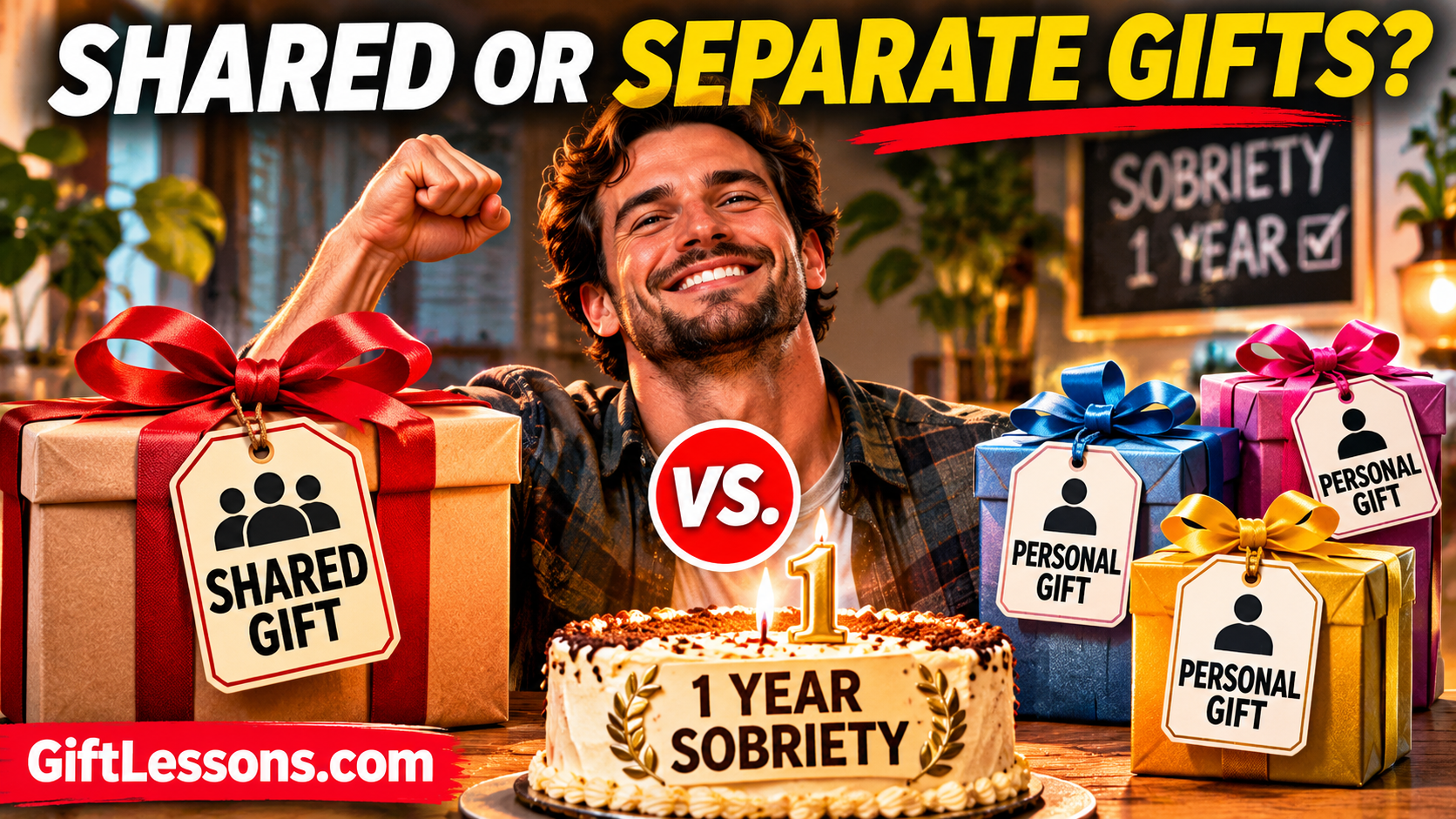
Choosing a shared gift vs. separate gifts for one year of sobriety is less about spending more and more about understanding what will make the milestone feel meaningful. A first sober anniversary can represent courage, consistency, healing, and a completely different future. The right gift should recognize that progress without making the person feel watched, judged, or defined only by their past.
For some people, a shared gift creates a warm family memory and celebrates the support system around them. For others, a personal gift feels more respectful because sobriety is an individual achievement. The best choice depends on your relationship with the recipient, the occasion, the budget, and whether the gift should be private, practical, sentimental, or experiential.
This guide compares shared and separate gifts, explains when each option works best, and offers specific one-year sobriety gift ideas for a partner, friend, family member, or parent.
A shared gift is usually better when the milestone belongs emotionally to the whole household or support group. A family trip, framed photo, weekend experience, or meaningful dinner can show that loved ones have walked alongside the person through a difficult year.
Separate gifts are usually better when the recipient values privacy, personal choice, or practical support. An individual gift allows you to match their interests instead of giving them something designed for everyone. It can also prevent a celebration from becoming too public or emotionally intense.
| Gift approach | Best for | Typical budget | Main advantage | Possible drawback |
|---|---|---|---|---|
| Shared family gift | Partners, parents, households, close families | $75–$500+ | Creates a lasting memory together | May feel less personal to the recipient |
| Shared experience | People who enjoy outings and new activities | $50–$400+ | Celebrates the present without focusing only on the past | Scheduling and comfort levels may vary |
| Separate personal gift | Friends, coworkers, siblings, adult children | $20–$150 | Can be tailored to the person’s interests | Several gifts may feel competitive or overwhelming |
| Small personal plus group card | Large families, teams, or friend groups | $15–$75 per person | Balances personal thought with collective support | Requires coordination |
A shared gift works especially well when the recipient is comfortable celebrating with other people. It can acknowledge that recovery affects relationships, routines, finances, and family life. A carefully chosen group gift says, “We are proud of you, and we want to enjoy this healthier chapter with you,” rather than “We are monitoring your sobriety.”
1. The recipient enjoys family celebrations
If they like birthdays, anniversaries, dinners, or group activities, a shared gift may feel natural. Consider a restaurant reservation, a day trip, tickets to a concert, or a relaxing weekend away. Choose an environment where alcohol is not the main attraction and where leaving early is easy if they become uncomfortable.
2. The gift supports a new lifestyle
One year of sobriety often brings new interests and routines. A shared gift can encourage those changes without being overly symbolic. Examples include camping equipment for a family trip, bicycles, cooking classes, hiking passes, a museum membership, or a subscription for a hobby everyone can enjoy.
3. The recipient has provided support to others
Some people in recovery become more present for their children, partner, or family. A shared experience can celebrate the quality time that is now possible. A family photo session, special meal, or short trip may be more meaningful than a decorative award.
4. Several people want to contribute
A group gift can make sense when siblings, friends, or coworkers have different budgets. One person can organize the purchase while everyone adds a note. This avoids giving the recipient a pile of unrelated items and makes the combined present feel intentional.
- A sober-friendly weekend getaway: Choose a nature retreat, coastal stay, cabin, wellness hotel, or city break with activities that do not revolve around drinking.
- A family experience: Consider a cooking class, pottery workshop, escape room, sporting event, theater performance, or guided outdoor activity.
- A framed family photograph: Add the date and a short message about the future rather than a detailed reference to addiction.
- A home upgrade: A comfortable chair, outdoor fire pit, quality coffee setup, garden equipment, or entertainment system can improve everyday life.
- A hobby starter kit: Choose equipment for painting, photography, cycling, fishing, baking, music, fitness, or another interest they have mentioned.
- A group-written letter or memory book: Each person can contribute a page with encouragement, gratitude, or a favorite positive memory from the past year.
- A meaningful dinner: Host a meal at home or reserve a favorite restaurant, but avoid turning the event into a public speech unless the recipient enjoys that kind of attention.
Before booking a shared experience, check practical details. Make sure the date is flexible, the location is comfortable, and the event does not unexpectedly center on alcohol. A brewery tour, wine-country visit, or open-bar celebration may be inappropriate even if the activity itself sounds attractive.
When Separate Gifts Are Better for a Sober Anniversary
Separate gifts are often the safer option when you are unsure how public the person wants the milestone to be. Not everyone wants a one-year sobriety celebration announced in front of relatives or coworkers. A personal gift allows the recipient to respond privately and use the present in a way that feels comfortable.
1. You are a friend, coworker, or extended relative
A personal but low-pressure present is usually appropriate when you care about the person but are not part of their closest support circle. A thoughtful card, journal, plant, book, coffee gift, self-care item, or hobby-related present can show respect without making assumptions about their recovery journey.
2. The person prefers practical gifts
Some recipients would rather receive something useful than something symbolic. Consider noise-canceling headphones, a high-quality backpack, kitchen equipment, workout clothing, a digital subscription, a massage certificate, or a gift card for a store they genuinely use.
3. Their interests differ from the group’s interests
A shared gift may be chosen around what everyone else enjoys. A separate gift lets you focus on the individual. If they love gardening, give a garden center voucher. If they are learning guitar, consider accessories or lessons. If they are building a calmer routine, choose a comfortable robe, sleep accessories, or a meditation app subscription.
4. The relationship is complicated
Recovery can change relationships, and not every family has a simple history. If there has been conflict, distance, or broken trust, a modest personal gift may be more appropriate than an expensive group celebration. A sincere message and respectful boundaries can matter more than the price.
Separate One-Year Sobriety Gift Ideas
| Recipient | Gift ideas | Suggested budget | Why it works |
|---|---|---|---|
| Partner | Personalized jewelry, massage, weekend activity, handwritten letter | $40–$300+ | Combines affection with personal meaning |
| Friend | Journal, book, coffee set, hobby gift, experience voucher | $20–$100 | Supportive without being intrusive |
| Parent | Family photo, comfortable home item, garden gift, special meal | $30–$200 | Recognizes the person and the family connection |
| Sibling | Concert tickets, sports gear, clothing, hobby equipment | $25–$150 | Feels natural and tailored to shared interests |
| Child or young adult | Activity, creative kit, technology accessory, encouraging letter | $20–$150 | Celebrates growth without making the occasion too formal |
| Coworker | Card, plant, coffee voucher, lunch, neutral desk item | $10–$50 | Shows kindness while respecting workplace boundaries |
Should You Give a Sobriety Coin, Plaque, or Personalized Gift?
Sobriety coins and milestone tokens can be meaningful, especially if the recipient participates in a recovery program or already values recovery symbols. They are not universally appropriate, however. Some people prefer understated gifts and may not want a visible reminder of sobriety.
A personalized gift can work well when the wording is carefully chosen. “One year stronger,” “Proud of the life you are building,” or “Celebrating your next chapter” may feel warmer than language that emphasizes failure, addiction, or a difficult past. If you are unsure, ask a trusted person close to the recipient what type of recognition they would appreciate.
For jewelry, plaques, keychains, or engraved objects, keep the message short. A date, initials, or private phrase is often more versatile than a long statement. The goal is to create something they will be comfortable keeping or displaying.
Choosing a Gift Based on the Occasion
Birthday
For a birthday that also marks one year of sobriety, avoid making the entire celebration about recovery unless the person wants that. Give a normal birthday gift with a thoughtful note recognizing the milestone. This keeps the recipient from feeling reduced to one part of their life.
Anniversary or recovery milestone
A dedicated sobriety anniversary is a natural time for a meaningful letter, milestone token, experience, or personal keepsake. Let the recipient decide how public the recognition should be.
Holiday
During a holiday, a shared family gift may fit better than a separate sobriety-themed present. A group outing, useful home gift, or activity subscription can acknowledge the progress without adding emotional pressure to an already busy occasion.
Informal recognition
If there is no formal celebration, a coffee meeting, lunch, card, or small practical gift may be ideal. A quiet message such as “I noticed the work you have put into this year, and I am proud of you” can be more powerful than an elaborate event.
How Much Should You Spend on a One-Year Sobriety Gift?
There is no required amount. A thoughtful gift can cost under $25, while a group may decide to spend several hundred dollars on a trip or shared experience. The relationship and the recipient’s preferences matter more than the price.
- Under $25: A card, journal, plant, favorite snack, coffee voucher, book, or small hobby accessory.
- $25–$75: A personalized item, restaurant meal, self-care gift, quality clothing accessory, or activity voucher.
- $75–$200: Tickets, lessons, a larger hobby gift, a family photo session, or a special dinner.
- $200 and above: A group-funded weekend, major equipment purchase, or household upgrade.
Do not spend beyond your means to prove that you support someone. A gift that creates financial stress for the giver can undermine the warmth of the occasion. If several people contribute, agree on a budget privately and avoid comparing individual contributions.
A Simple Process for Choosing the Right Gift
- Decide how public the recognition should be. If you do not know, choose a private gift or ask discreetly.
- Identify the recipient’s current interests. Think about what they enjoy now, not only what they did before sobriety.
- Choose shared or separate based on comfort. Select a shared option for a genuinely collective experience and a separate gift for personal recognition.
- Set a realistic budget. Match the amount to your relationship and financial situation.
- Check for alcohol-related risks. Avoid venues, packages, and activities where drinking is central or difficult to avoid.
- Add a short, sincere message. Focus on respect, pride, hope, and the life they are building.
Practical Checklist Before You Buy
- Would the recipient enjoy receiving this in front of other people?
- Does the gift reflect who they are now?
- Is the setting comfortable and easy to leave?
- Could the activity unexpectedly involve alcohol?
- Is the gift useful, enjoyable, or emotionally meaningful?
- Does the wording avoid shame, pressure, or exaggerated promises?
- Would a private conversation be better than a public presentation?
- Can the recipient exchange or adjust the gift if necessary?
Common Mistakes to Avoid
Making the celebration too public
Announcing someone’s sobriety in a large group, posting about it online, or asking them to give a speech can be uncomfortable. Always treat the milestone as personal information unless the recipient has clearly made it public.
Choosing an alcohol-centered experience
Wine tastings, brewery tours, cocktail classes, and open-bar events may be unsuitable even if they are popular group gifts. Ask what feels safe and enjoyable rather than assuming the person will be comfortable around alcohol.
Using shame-based language
Avoid phrases that focus on how bad the person used to be, how much damage they caused, or how surprised everyone is that they made it through a year. Encouragement should recognize effort without reopening painful experiences.
Giving recovery materials without knowing their preferences
Books, journals, meeting-related items, or recovery symbols can be useful, but not everyone wants them as a gift. If you are not familiar with the recipient’s approach to recovery, choose a general gift and include a supportive note instead.
Assuming one gift fits the entire support group
A shared gift should benefit the recipient first. Do not choose a family vacation or group activity mainly because everyone else wants it. Ask whether the recipient would genuinely enjoy the plan, including the timing, location, and level of social attention.
Choose a shared gift when the recipient enjoys group celebrations, the milestone has affected the whole household, and the experience can be comfortable and alcohol-free. Choose separate gifts when privacy, personal interests, or different relationships make individual recognition more appropriate.
In many situations, the best answer is a combination: one modest personal gift, a handwritten note, and an optional shared meal or activity. This approach recognizes the individual while allowing loved ones to celebrate together without putting the person on display.
The most important part of a one-year sobriety gift is not the engraving, price, or size of the gathering. It is the message behind it: their effort has been seen, their progress matters, and they are valued for the life they are creating now.
Frequently Asked Questions
What is an appropriate gift for one year of sobriety?
Appropriate gifts include a handwritten letter, personalized keepsake, hobby-related item, relaxing experience, family photo, practical gift, or sober-friendly outing. Choose something that reflects the recipient’s personality and privacy preferences.
Is it better to give a sobriety gift privately?
Often, yes. A private gift is a respectful choice when you are unsure whether the person wants public recognition. You can always offer a group celebration later if they say they would enjoy one.
A family can choose one shared gift when it creates a meaningful experience for the recipient. Separate gifts are better when family members know the person’s interests well or when the milestone should remain low-key.
What should I write in a one-year sobriety card?
Keep the message sincere and positive. For example: “I am proud of the work you have done this year. I hope you recognize how much strength and commitment this milestone represents.”
What gifts should be avoided for someone celebrating sobriety?
Avoid alcohol-centered experiences, surprise public announcements, shame-based messages, and recovery-themed items unless you know the person wants them. When in doubt, choose a useful personal gift and offer quiet support.